Pearl Button Capital of the World

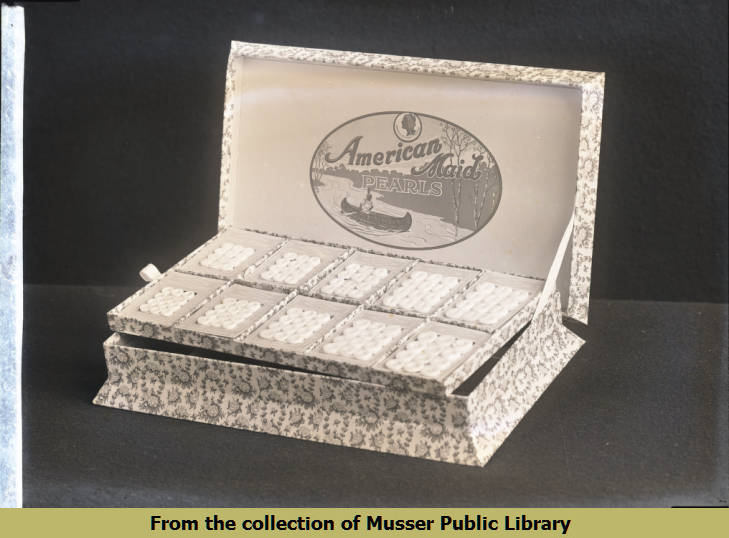
Last week I came across an interesting article about how a small town in Iowa became the Pearl Button Capital of the World. During the Victorian age and earlier, people used natural materials for buttons – such as wood and horn.  Pearl buttons on clothing were considered a status symbol and prized for their beautiful luster.  They also brought in a sizable profit for the … Continue reading Pearl Button Capital of the World

It’s Hot – Sheer Civil War Gown

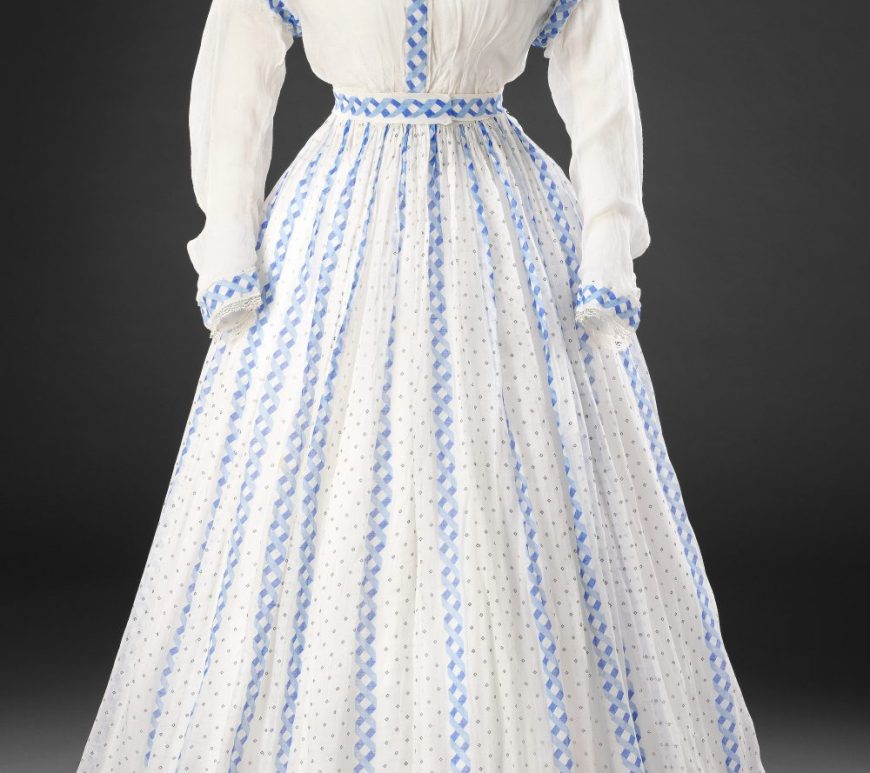
John Bright Collection – London, England One thing that comes to mind when you think of Victorian Era clothing, is all the layers and yards of fabric that went into making each dress.  How did the ladies survive the hot, humid summers with all that clothing on – especially if they were wearing long sleeves? The answer is that they used sheer and lightweight fabric.  … Continue reading It’s Hot – Sheer Civil War Gown

In Vivid Color

For much of history, the color of clothing was limited to plant-based and other natural dye colors.  The first synthetic dye was accidentally discovered by an eighteen year old student attending the Royal College of Chemistry in London in 1856.  Sir William Henry Perkin (1838-1907), was experimenting with a synthetic formula to replace the natural anti-malarial drug quinine.  He produced a reddish powder instead of … Continue reading In Vivid Color

The Bustle Era (1870s – 1880s)

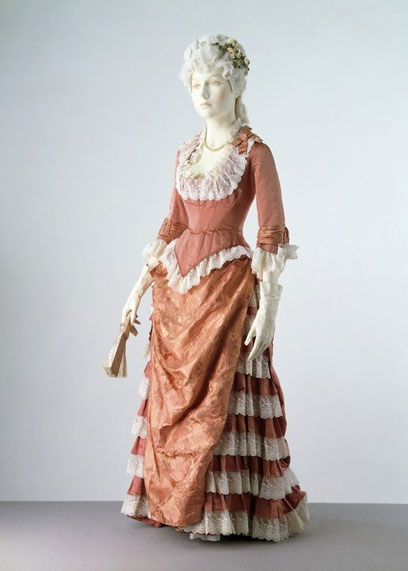
After hoop-skirts started to go out of fashion, the next major style to emerge was the Bustle Dress.  Often the front of the dress laid flat and the emphasis was on the drapery in the back of the dress.  Fabric could lie gracefully upon the rounded bustle or be bunched into elegant drapery by using vertical tapes that were tied at irregular intervals to hold … Continue reading The Bustle Era (1870s – 1880s)

Crinolines and Hoopskirts

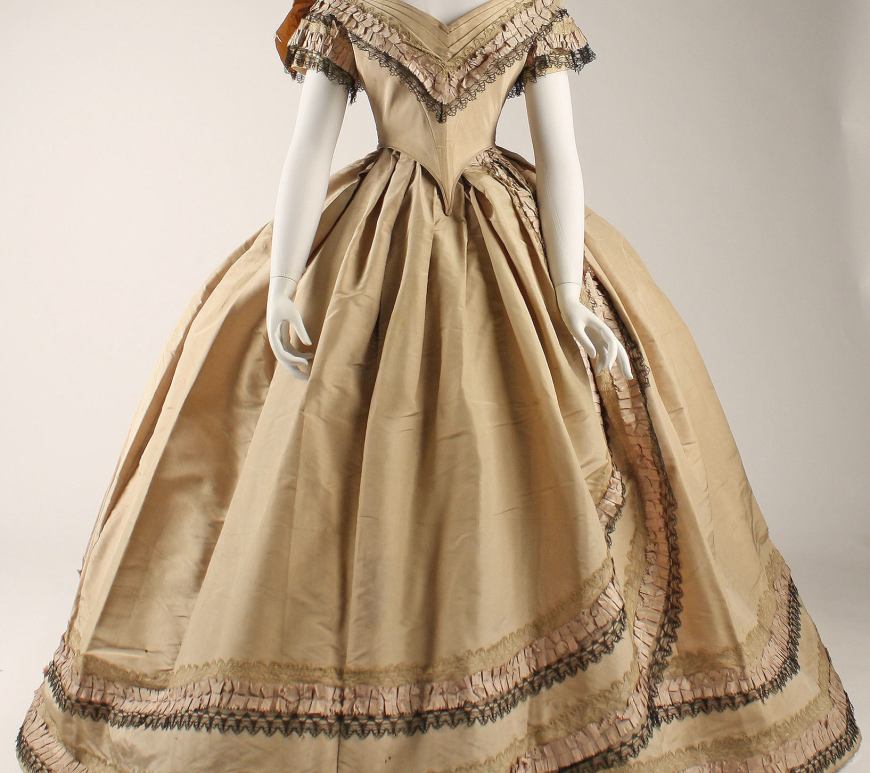
Ladies fashion during the American Civil War and the years leading up to it were known as the hoop-skirt era.  The desired silhouette was focused on the hourglass figure.  A corset was worn to pull in the waistline while the skirts were extremely full.  Most of the skirts  featured a hoop around the bottom to help create a fuller, more flared out appearance. The dresses … Continue reading Crinolines and Hoopskirts

Civil War Era Day Dresses (1860-1865)

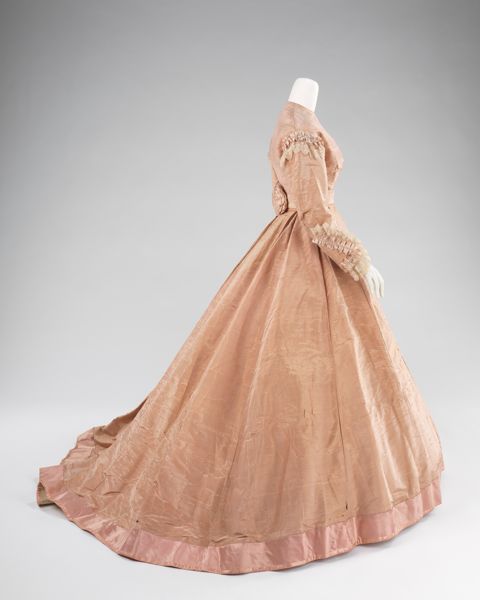
The clothing of the early 1860’s held an air of refinement and elegance. During the daytime ladies did not expose their arms or shoulders; necklines were very prim and proper. The classical silhouette was a snug bodice, full sleeves, and wide skirts which helped to emphasize a small waistline. Outfits consisted of a very full skirt and a waist-length bodice that were made separately and then … Continue reading Civil War Era Day Dresses (1860-1865)

Fabric Used in the 1500’s

During this period in history, your place in society was identified by the quality of your clothes and the number of garments you owned. Sumptuary laws attempted to enforce what you were allowed to wear based on your rank in society – including the type of fabric and the amount of material that could be used in garments. As a general rule, you would probably … Continue reading Fabric Used in the 1500’s

Fashion of the 1400’s

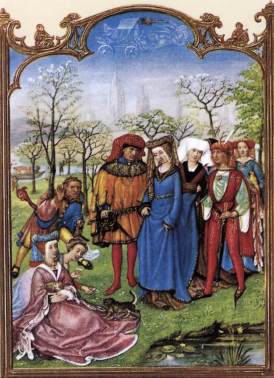
The clothing of the 1400’s had an understated elegance. In the early 1400’s women wore a gown called a “houppelande”. It could be slipped over the head.  Often the neckline was v-shaped and the sleeves were tubular. The neckline became broad showing off the undergarment. By the 1470’s the bodice became more closely fitting requiring the gown to be laced up the back. Many skirts had a train.  … Continue reading Fashion of the 1400’s